
Construction
Reducing Fuel Costs, Emissions, and Maintenance in Construction Fleets with Green Fuel Tabs
Construction companies rely heavily on fuel-intensive fleets that include bulldozers, excavators, dump trucks, graders, and service vehicles - machines that consume large amounts of diesel and gasoline every day. Rising fuel prices, stricter emissions regulations, and constant equipment wear create both financial and operational pressures for contractors. Green Fuel Tabs™, an organo-metallic fuel catalyst in tablet form, offer a practical and low-cost way to optimize combustion. By ensuring more complete fuel burn, these tabs can help fleets achieve 10–20% fuel savings, cut harmful emissions by up to 80%, and extend the life of costly engines and after-treatment systems. Construction firms can begin with a structured pilot program to validate results before rolling the solution out fleet-wide.
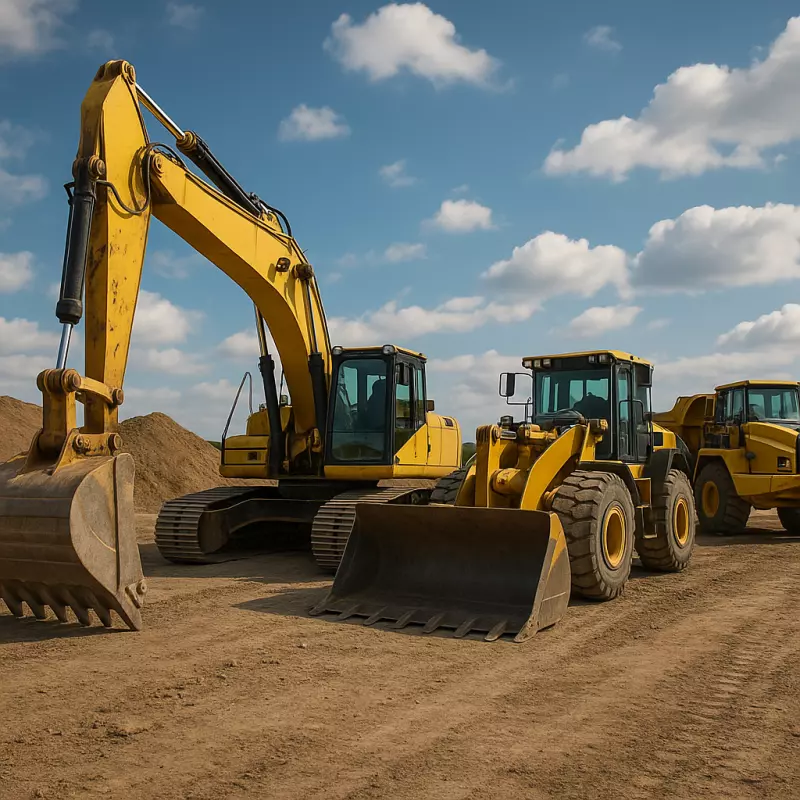
Fuel is one of the biggest expenses in construction, often representing 30–40% of a project’s operating budget. Heavy-duty equipment idles for long periods, wasting fuel and accelerating engine wear, while soot buildup forces frequent oil changes, injector cleaning, and expensive DPF (Diesel Particulate Filter) regens or replacements. At the same time, federal, state, and municipal regulations require stricter emissions controls on non-road diesel engines, and rising operating costs reduce profitability in competitive bidding.
Green Fuel Tabs™ help address these challenges. These pre-measured tablets dissolve easily during refueling and use a combustion catalyst to lower the ignition point of fuel from about 600 °C to 200 °C. The result is more complete combustion, less wasted fuel, and higher energy yield. Depending on duty cycle, fleets typically see 10–25% improvements in fuel economy. Lower emissions of CO₂, CO, SOx, NOx, and particulates help fleets stay compliant with regulations, while reduced carbon buildup lowers stress on pistons, injectors, and exhaust systems. Engines also perform more smoothly, with quicker throttle response, fewer stalls, and more consistent idle.
The operational benefits are broad. Heavy equipment such as dozers, loaders, and excavators consume fewer gallons per hour under load, require fewer DPF regens, and experience longer life for injectors, EGR valves, and turbochargers. On-road fleets of dump trucks, water trucks, and service trucks see improved MPG on hauls, reduced fuel cost per ton-mile, and less downtime from clogged fuel systems. Even stationary generators and pumps benefit, running longer per gallon with cleaner emissions and reduced smoke, which improves jobsite air quality.
The financial impact can be significant. For example, a fleet of 50 heavy equipment units averaging 10 gallons per hour at 1,500 hours per year consumes roughly 750,000 gallons annually. At $3.75 per gallon, this amounts to $2.81 million in fuel costs. A 10% efficiency gain saves $281,250 per year, while 15% savings equals $421,875 annually. On top of fuel savings, fleets benefit from longer oil change intervals, fewer injector and DPF replacements (often $3,000–$8,000 each), and reduced downtime, which translates into better project timelines and labor utilization.
Environmental and compliance benefits are equally important. By cutting emissions by up to 86%, Green Fuel Tabs™ help contractors meet EPA Tier 4 and local/state air-quality standards. Cleaner emissions also reduce visible smoke and odor, which improves community relations and helps contractors win bids where sustainability and environmental responsibility are selection factors.
A recommended pilot program allows construction firms to measure real-world results. The process begins by selecting two or more high-fuel-use units such as loaders, scrapers, or haul trucks, and pairing them with similar untreated control units. Baseline data on fuel use, idle time, emissions, downtime, and maintenance costs should be recorded for 2 weeks. During the 4 week treatment phase, Green Fuel Tabs™ are added to each refueling cycle. Data is then compared to measure changes in efficiency, maintenance, and cost per operating hour. If ROI targets are met, firms can expand the program fleet-wide and integrate savings into future project bids.
The strategic benefits are clear. Reduced fuel and maintenance costs improve competitiveness and profitability. Cleaner engines and fewer breakdowns mean reduced downtime and greater asset utilization. Significant emissions reductions strengthen corporate sustainability reporting and ESG credentials while supporting compliance with environmental standards. Most importantly, Green Fuel Tabs™ work with existing engines and fueling systems, requiring no mechanical modifications.
For construction companies, adopting Green Fuel Tabs™ offers a simple, low-risk way to cut fuel costs, reduce emissions, and extend the life of equipment. Given the scale of fuel use in this sector, even modest efficiency gains produce substantial financial savings while improving environmental performance. A pilot program is the best first step to validate the benefits in real jobsite conditions, build confidence among operators, and create a strong ROI case for wider adoption.