
Maritime
Enhancing Fuel Efficiency and Reducing Emissions in Maritime Operations with Green Fuel Tabs
Maritime operations—including naval vessels, commercial ships, ferries, and workboats—consume massive amounts of fuel, making fuel costs one of the most significant expenses in the industry. In fact, fuel can account for 50–60% of total vessel operating expenses, while emissions regulations from the International Maritime Organization (IMO) and various federal and state agencies continue to tighten. These dual pressures of rising costs and environmental mandates create challenges for both commercial operators and government fleets.
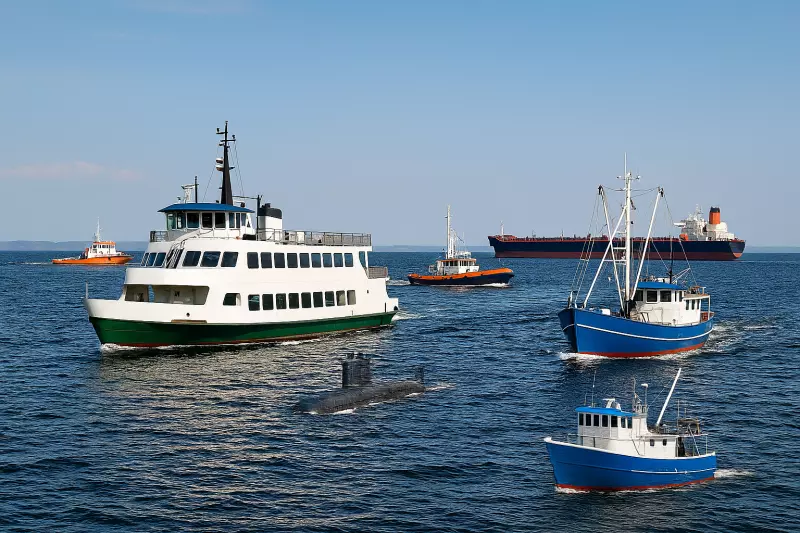
Green Fuel Tabs™, a proven organo-metallic fuel catalyst, provide a practical, low-cost solution to improve combustion efficiency, reduce emissions, and extend engine life without costly retrofits or downtime. By integrating this technology into maritime fleets, operators can achieve 10–20% fuel savings, up to 80% lower emissions, and measurable reductions in maintenance costs. Even small efficiency gains translate into millions of dollars saved across large fleets.
The maritime industry faces unique challenges. Ships, ferries, and patrol boats consume large volumes of diesel, MGO, or bunker fuel, so reducing usage directly lowers operating costs. At the same time, IMO 2020 and regional Emission Control Area (ECA) regulations require cuts in SOx, NOx, and particulate matter, with fines or loss of port access for non-compliance. Maritime engines also suffer from carbon deposits on injectors, exhaust valves, and turbochargers, which drive up maintenance costs and increase downtime. For naval and coast guard vessels, reliability is critical, and reducing dependence on frequent refueling improves mission readiness and operational security.
Green Fuel Tabs™ address these issues by lowering the ignition point of fuel from ~600 °C to ~200 °C. This ensures more complete combustion, extracting more energy per gallon, improving mileage or hours-per-gallon performance by 15–25%, and reducing harmful emissions by up to 86%. Lower combustion temperatures reduce carbon buildup, protecting injectors, pistons, and exhaust systems, which in turn extends service intervals and minimizes unplanned maintenance.
For naval and coast guard fleets, reduced fuel consumption lowers the frequency of vulnerable resupply missions, cleaner engines improve readiness, and lower demand extends operational range. Commercial shipping operators gain lower costs over long voyages, compliance with IMO sulfur and emissions standards, and stronger sustainability credentials that appeal to eco-conscious clients. Harbor craft, ferries, and workboats benefit from greater idle-time efficiency, reduced smoke and odor in port areas, and fewer engine fouling issues that lead to downtime.
The financial impact is substantial. For example, a mid-sized patrol fleet consuming 5 million gallons of diesel annually at $3.75 per gallon spends about $18.75 million each year. A 10% savings delivers $1.875 million in fuel cost reductions, while a 15% improvement saves nearly $2.8 million. Beyond fuel, fewer injector and valve deposits, reduced DPF/SCR regens, and extended component life translate into major maintenance savings and improved uptime.
A recommended implementation approach begins with a pilot program. Operators can select representative assets—patrol boats, tugboats, ferries, or auxiliary systems—and establish baseline data for 2 weeks, tracking fuel use, hours, costs, emissions, maintenance, and crew feedback. During the treatment phase, vessels are dosed according to guidelines, with results compared against baseline. If the data demonstrates positive ROI, deployment can be expanded fleet-wide and aligned with U.S. Coast Guard or Navy energy resilience initiatives and maritime sustainability goals.
Safety and compliance are critical considerations. Green Fuel Tabs™ should be EPA-registered under 40 CFR Part 79 and verified for compatibility with maritime fuel types. OEM compatibility statements help protect warranties, while Standard Operating Procedures (SOPs) guide safe handling by fueling crews. Third-party verification of fuel efficiency and emissions data adds credibility to results.
For military and government operators, the strategic outcomes are clear: multi-million-dollar annual savings, reduced resupply frequency, lower operational risk, and significant reductions in CO₂, NOx, SOx, and particulate emissions. Maintenance burdens are reduced, fleet readiness improves, and agencies position themselves as leaders in sustainable operations and innovation.
In conclusion, Green Fuel Tabs™ present a cost-effective, low-risk, and high-reward solution for maritime fleets. By improving combustion efficiency, reducing emissions, and extending engine life, this technology enhances operational readiness while helping operators meet regulatory and sustainability targets. A structured pilot program across select vessels is the recommended first step toward capturing these benefits and building the case for full-scale adoption.